


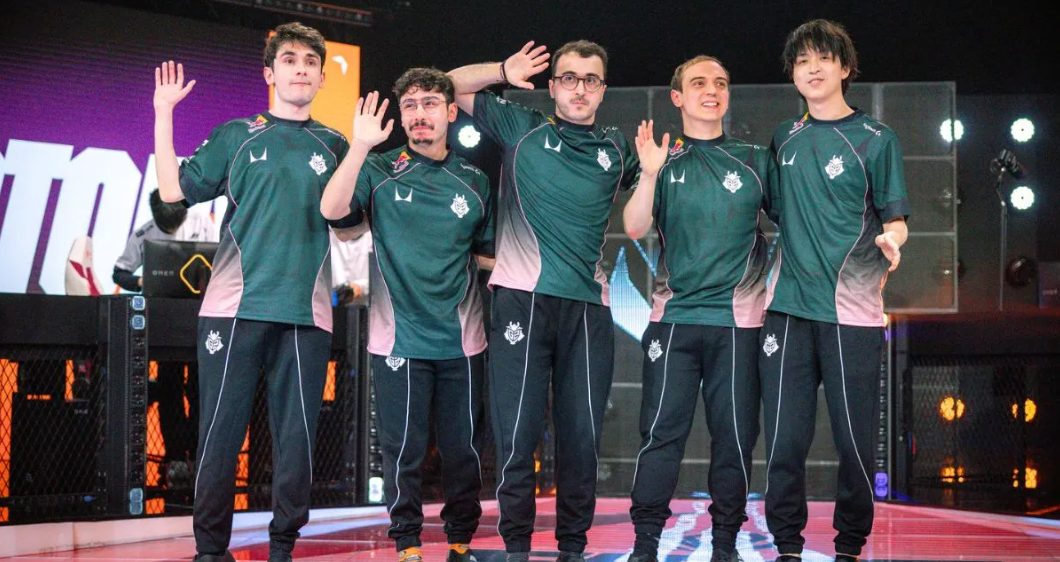

When analyzing the chances of European teams at the upcoming international tournament, MSI 2026 in South Korea, it is hard to ignore the cold numbers of statistics. Despite the local successes of the LEC representatives at the start of the season, analytical models project an extremely tough struggle for our region to secure a top-four spot. It seems to me that the fundamental difference in macro play and timing comprehension between Asia and Europe is once again becoming the decisive factor over a long tournament distance. On paper, the rosters of G2 Esports and Karmine Corp look quite competitive, but the actual practice of official matches against Korean and Chinese giants shows a different picture. In this piece, I want to look specifically at why bookmakers and independent analysts evaluate the prospects of European rosters so skeptically.
The Illusion of Dominance After First Stand
This spring, European fans received a serious reason for optimism. At the First Stand 2026 tournament in March, G2 Esports showcased an excellent level of preparation, literally crushing the South Korean representatives. Few expected the European squad to sweep the series 3-0 against FearX and Gen.G, who were considered the absolute favorites of the entire spring split.
Nevertheless, Korean teams have managed to learn from their mistakes and drastically revamp their drafts. Current participant ratings, including the official msi 2026 standings ahead of the main stage start, point to a rigid adaptation by the Asian giants to their opponents’ style. That spring success was largely built on the flexibility of the Europeans, who are traditionally more inclined to make tactical experiments on the fly. In contrast, Korean clubs like T1 are used to playing out the exact same standard matchup hundreds of times in practice, perfecting it to a tee.
I think repeating such a trick twice in a row over the long distance of MSI will be nearly impossible. The Asian powerhouses have already thoroughly analyzed the replays of those March matches and covered up their weak zones. Thanks to their discipline and precise macro control, the Korean rosters will simply shut down any openings for the Europeans to pull off surprises during the draft stage.
Why It Will Be Harder for Karmine Corp
G2 Esports regularly competes in international tournaments and delivers more stable results compared to other representatives of the region. For Karmine Corp, the tournament in South Korea will be a completely different experience. The French team is used to playing at a high pace, relying on a fast start and constant pressure on the opponent in the early game.
However, their main vulnerability lies in a high number of mistakes during the mid-game. Typically, when squads heavily focus on early dominance, they often begin to lose map control after the 20-minute mark due to imprecise positional decisions. In such situations, excessive rushing leads to unnecessary deaths, loss of key vision, and dropped teamfights.
In the European LEC region, Karmine Corp players can afford to drag out a match, simply waiting for opponent mistakes to stage a comeback. But on the international stage, this approach works much worse. Against teams of Gen.G, T1, or Hanwha Life Esports caliber, this plan rarely yields results, as LCK representatives make minimal errors in their macro rotations. I think it will be difficult for Karmine Corp to execute their pace against opponents who methodically secure objectives and leave no room for a game turnaround.
Flexible Meta and Korea’s Adaptation
Another factor working against the LEC representatives is the current champion balance on the professional scene. Following the release of the spring 2026 patches, the meta has become incredibly flexible. Paradoxically, this plays right into the hands of the Korean teams, who historically adapt to large-scale changes much faster. Nowadays, simply mastering one specific playstyle is not enough to secure a victory.
Modern realities require the ability to adjust right in the middle of a series, and LCK giants demonstrate exemplary versatility in this aspect. In recent official matches of the Korean league, I noticed that the local top teams, including Hanwha Life Esports, who have already qualified for the tournament, can play in completely different formats. They are equally effective at executing an aggressive snowball through early ganks or maintaining methodical map control to transition into a deep late-game after the 30-minute mark.
European squads, however, often face issues in such a volatile environment. They frequently become hostages to one or two pre-planned scenarios that they practiced during training in their own region. The LEC representatives look completely lost when an opponent breaks their usual game plan and dictates a completely different pace as early as the draft stage.

The Harsh Reality of Mathematical Projections
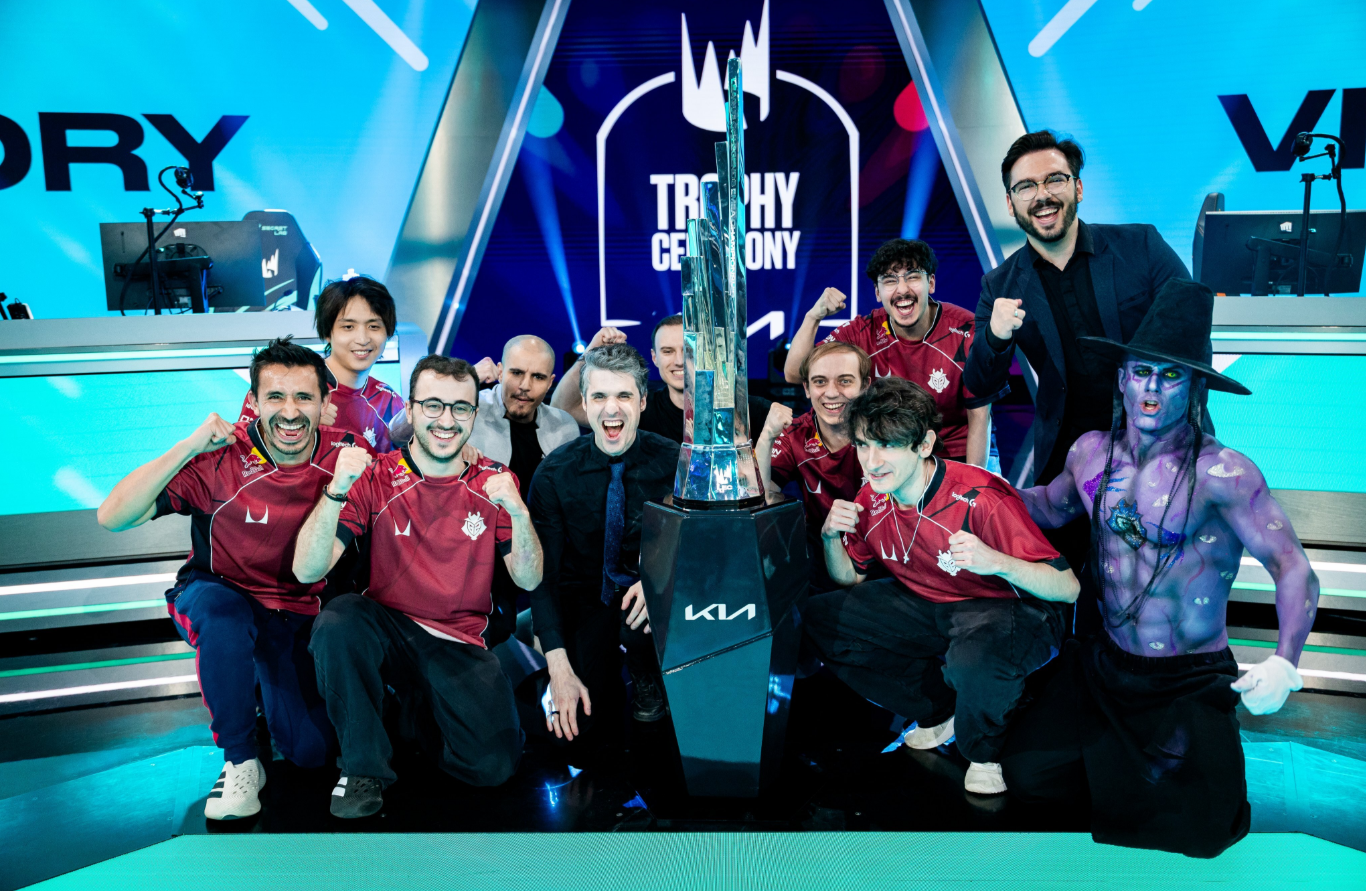
When we look at analytical models and pre-match odds before the tournament kicks off in South Korea, the cold numbers speak for themselves. Experts evaluate the probability of an LEC team securing a top-four spot at a modest 15-20% at best. Essentially, the semifinal slots are pre-allocated to the leaders of the local LCK league.
Even considering Europeans’ traditional ability to cause upsets in individual matches, the current gap in preparation conditions between the regions is too wide. Korean squads enjoy the luxury of playing daily training scrims against each other on a local server with minimal ping. This allows them to sharpen teamfight coordination to complete automaticity.
It seems to me that the flawless quality of the practice process within the Korean region serves as the primary foundation for such pessimistic forecasts regarding G2 and Karmine Corp. Without a similar density of fierce practice competition, it will be incredibly difficult for European teams to compete with the tournament hosts on equal terms.
Conclusion
Summing up, I have to agree with the logic of most analysts: the mathematical chances of the LEC making it into the top four of the tournament in South Korea are indeed low. Of course, G2 Esports already proved at First Stand that they can beat Gen.G and break pre-match predictions, and the players of Karmine Corp are capable of putting up a fight in a single bo5 series. However, over the long distance of a major championship, where stability and champion pool versatility play a decisive role, Korean rosters like T1 and Hanwha Life Esports look like a monolithic wall. We can only rely exclusively on deep coaching preparations and unconventional strategic decisions from the European representatives.