


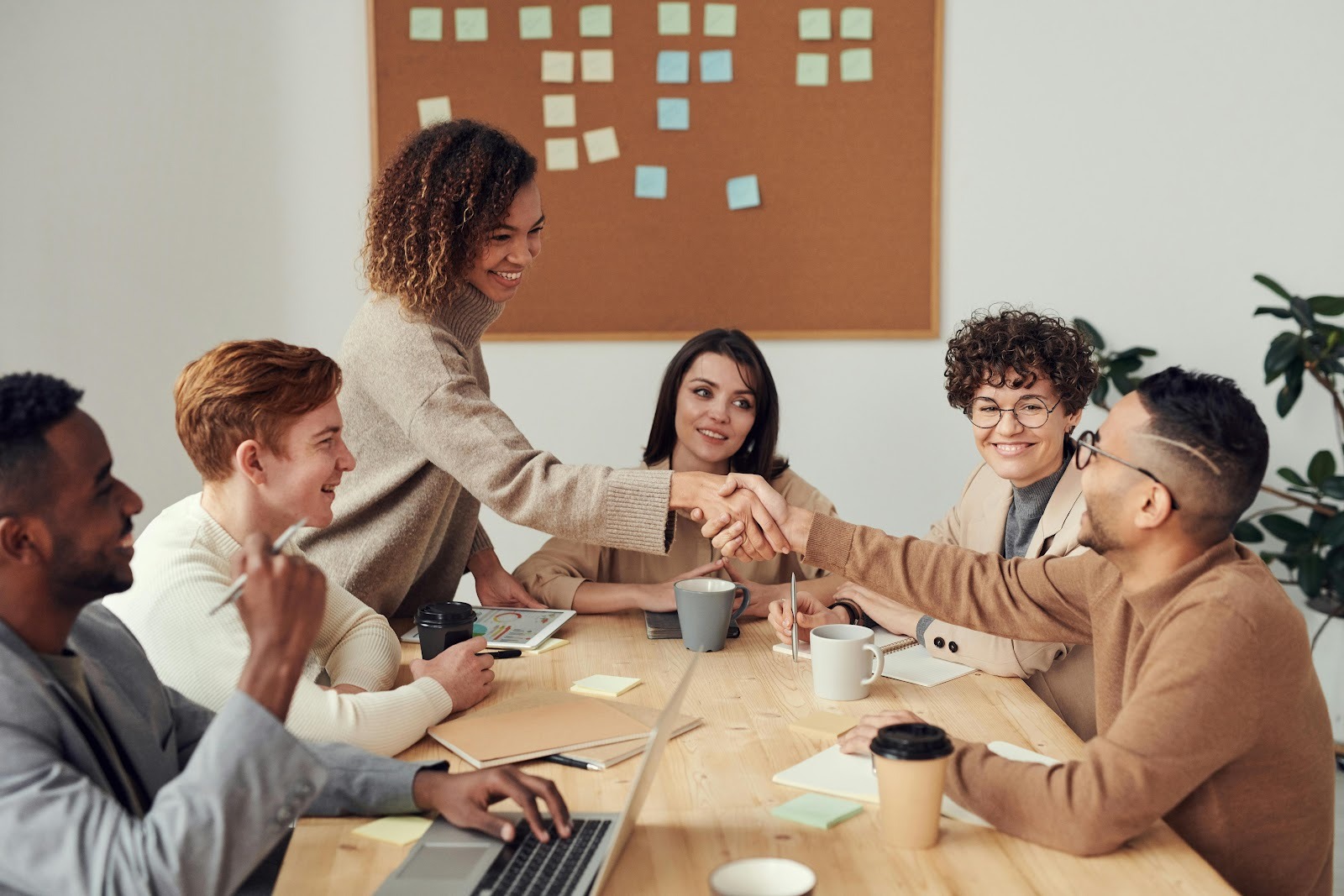

One of the few times an entire organization stops to focus on a common message is during all-hands meetings. Theoretically, they strengthen culture, strategically position teams, and foster openness between management and employees. In practice, almost all-hands meetings turn into dull lectures, silent speakers, and multitasking. In 2026, the difficulty is not getting people to the meeting but getting them to listen to it.
The urgency is highlighted by the employee engagement statistics. Global engagement is uneven, with large segments of the workforce showing low enthusiasm and attachment to corporate objectives. When employees are disconnected, great company-wide meetings are a symbol of that disconnection. The intentionally fun addition is not a gimmick. It concerns intellectual involvement, emotional attachment and experience.
Here are five fantastic ways to create a sense of life in all-hands meetings without compromising professionalism or strategy.
1. Turn Updates Into Interactive Storytelling
The worst way an all-hands meeting can fail is to overwhelm the audience with slides. When content is abstract or repetitive, human attention declines rapidly. To overcome it, turn conventional updates into stories.
Rather than reporting quarterly measures separately, present them as a narrative of struggle, reaction and result. Notice an obstacle of a given team, make decisions, and record the impact that can be measured. Storytelling has been shown to be more effective than data in activating memory pathways, making it more memorable and more emotionally laden.
Further engagement can be added by adding live polls or real-time questions. As an example, before publishing the findings, invite staff to make predictions or cast votes on which initiative was most effective. This will change passive attendees into active attendees. This makes the meeting an interactive discovery and not a broadcast.
By telling a story, leaders also humanize performance measures. Real work can make the difference in terms of revenue growth rather than a figure on a graph.
2. Introduce Structured Games and Friendly Competition
Constructive competition boosts groups. Organized games will generate the anticipation and eliminate boredom without derailing the agenda. The answer should align with the company’s culture and values.
History trivia about the company, product milestones, or industry expertise, in particular, are effective. Split the attendants into interdepartmental teams to promote cross-functionality. Timed short rounds are fast and do not cause exhaustion.
Another lever is gamified recognition. Give points as awards based on the innovations, teamwork, or customer outcomes within the last quarter. The point can be converted into symbolic rewards or bragging in small amounts. The competitive factor attracts interest and supports the actions the leadership wants repeated.
The energy of activities in distributed organizations can be duplicated through digital breakout rooms and shared whiteboards. Games designed to be played properly enhance dopamine-driven interaction without undermining the main message.
3. Spotlight Unexpected Talent and Personal Stories
Sincerity usually produces fun in the workplace. When employees perceive colleagues as multidimensional rather than by job titles, they tend to feel connected.
It is possible to include a brief segment of an all-hands meeting on employee spotlights to change the meeting’s tone. Ask volunteers to contribute a hobby, personal achievement, or a strange talent. A developer who does stand-up comedy or a finance person who runs ultramarathons brings variety to organizational identity.
It is not all about entertainment. These instances strengthen a sense of belonging and psychological safety. Studies consistently show that more psychologically safe groups achieve better cooperation and performance. Employees will be more open to further discussions when they perceive themselves as individuals.
Internal networks are also empowered by the spotlight approach. Workers who would never have had the opportunity to interact in their day-to-day work processes now have something to talk about that crosses functional boundaries.
4. Add Live Challenges and Creative Prompts
During longer meetings, concentration tends to wane. The reset of the energy can be achieved by introducing a short-lived challenge. Intuitive tasks that require speed or cooperation are the most effective.
E.g., give teams three minutes to suggest a tagline for a new initiative. Promote creativity and innovativeness. The outcomes usually prove comedy and introduce imaginative cross-pollination. As an alternative, introduce a new scenario with hypothetical conditions and ask small groups to describe a quick fix.
These mini-games recreate the real-time problem-solving experience and add some zest. They also represent a broader culture: creativity is not frowned upon, even at work.
Engagement can be enhanced by incorporating fun comparisons. For example, strategic experimentation in business can be compared to experimentation on new digital platforms such as parhaat nettikasinot, where users choose and evaluate options, assess risks, and make quick decisions based on the available information.
This metaphor underscores the need to make a well-informed decision while remaining flexible, though the tone is light and good-natured.

5. Celebrate Wins With High-Impact Visuals and Shared Rituals
One of the most powerful engagement tools in leadership is recognition. But recognition is usually buried in slides. Promoting wins as mini-celebrations boosts morale.
Take short highlight clips, behind-the-scenes films, or animated images to make successes come alive. It is a multisensory experience with music and vivid visuals, unlike the presentation format. As a visual aid, high-quality images are more compelling than charts, even in virtual environments.
Meetings across time are also developed through shared rituals. It may involve an annual trophy with rotating prizes, a thematic party tied to quarterly achievements, or a closing ceremony in which groups share one word about their outlook for the future.
Rituals create anticipation. Employees are more attentive during meetings when they anticipate a specific segment.
Making Fun Strategic Rather Than Distracting
The term fun might elicit distrust in the workplace. Leaders might also fear that the inclusion of play makes things less serious, or they spend time that should be used to communicate on the strategy. The opposite is often true. Ordered pleasure enhances mental duration of attention, recollection and mood congruence.
Neuroscience research indicates that positive states of emotions improve learning and problem-solving. Employees are more likely to attend all-hands meetings when they perceive them as energizing rather than a sense of duty. Questions are more prevalent. Feedback is made more open. Strategic messages hit closer to the nail on the head.
The most successful organizations approach engagement design the same way they approach product design or customer experience. Each segment has its aim, its rhythm and desired result.
Building a Culture That Looks Forward to Meetings
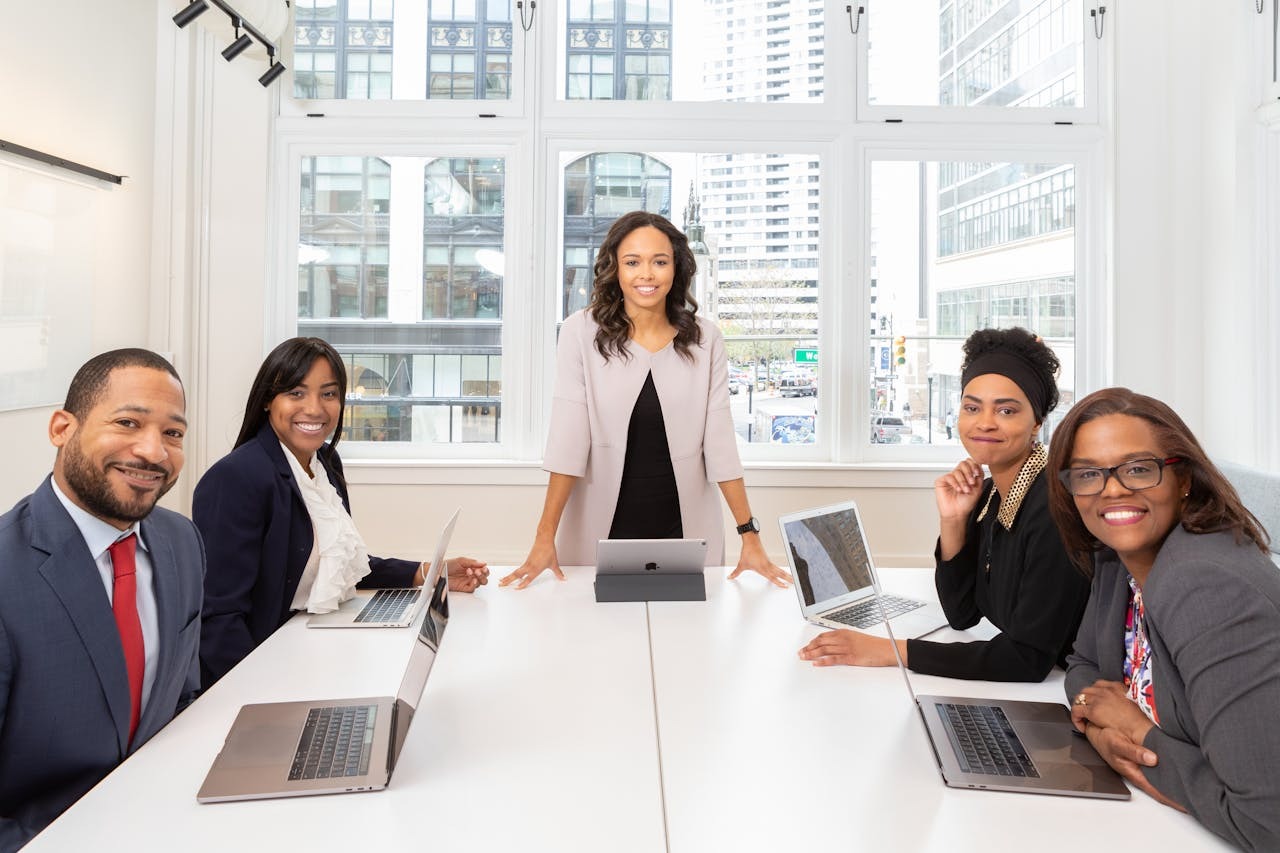
After all, it is not just a memorable meeting. It is a long-term practice in which employees look forward to company-wide get-togethers as invigorating touchpoints rather than annual obligations.
Such a change does not need elaborate production budgets. It requires intention. Interactive storytelling, organized games, personal highlights, creative challenges and celebratory rituals are real-life, scalable devices. When put together intelligently, they transform the all-hands meeting from a one-way channel of communication into a shared cultural event.