



If you’ve spent any time in gaming communities, you already know the secret: almost everything feels better with a teammate. Co-op play has always had that “extra something” — shared laughs, shared wins, shared chaos. And interestingly enough, this co-op spirit is spilling into the creator world in a big way.
More creators are teaming up. Not just occasionally, but intentionally — building duo channels, squad streams, joint brands, hybrid identities. One person behind the camera still works, sure, but audiences are increasingly drawn to the energy that only happens when two or more people bounce off each other.
And honestly, it’s easy to see why. Co-creation isn’t just a trend; it’s becoming one of the most reliable ways to grow faster, stay consistent, and feel less alone in the process. That last part matters more than most people admit.
Let’s dig into why this shift is happening — and why it’s reshaping online entertainment from the inside out.
Why Co-Op Content Is Becoming the New Standard
Something magical happens when multiple personalities share a screen. It’s a bit unpredictable, a bit messy, and strangely comforting. Viewers aren’t watching a perfectly polished performance — they’re watching people interact.
That interaction is where the entertainment really lives.
- Shared energy changes everything. Two creators bring two tempos, two senses of humor, two emotional rhythms. When they collide, the content feels more alive. More spontaneous. Less scripted — sometimes even when it is scripted.
- Partnerships reduce burnout. Solo creators carry everything. The pressure. The planning. The editing. The community. It adds up fast. Collaboration spreads that weight around. With teammates, one person can recharge while another takes the lead. Creativity survives longer that way.
- Algorithms love interaction. This part’s almost funny: the internet’s own systems prefer co-op content. More voices mean more watch time, more comments, more emotional reactions — all the signals that platforms push upward. The algorithm doesn’t care about your workload; it cares about your engagement. And teams almost always create more of it.
Solo creation will never disappear, but co-op content? It’s becoming the new default.
How Creator Partnerships Boost Audience Growth
If you’ve ever seen two creators merge their audiences, you know how quickly momentum builds. It’s almost like cross-pollination in nature — you take two healthy ecosystems and suddenly the whole thing grows.
- Shared audiences = faster growth. When creators team up, their viewers often overlap, mix, and expand. It’s organic. People who enjoy one personality often enjoy the person they enjoy interacting with.
- More content variety. Duos and teams can try formats that don’t work solo: co-op playthroughs, challenge videos, dual reactions, friendly debates, chaotic moments that only happen when another human enters the room.
- Stronger narratives. Two voices create a story. A friendship. A dynamic. A relationship arc that viewers follow over time. It’s narrative gold — and the audience feels like they’re part of the group, not just spectators.
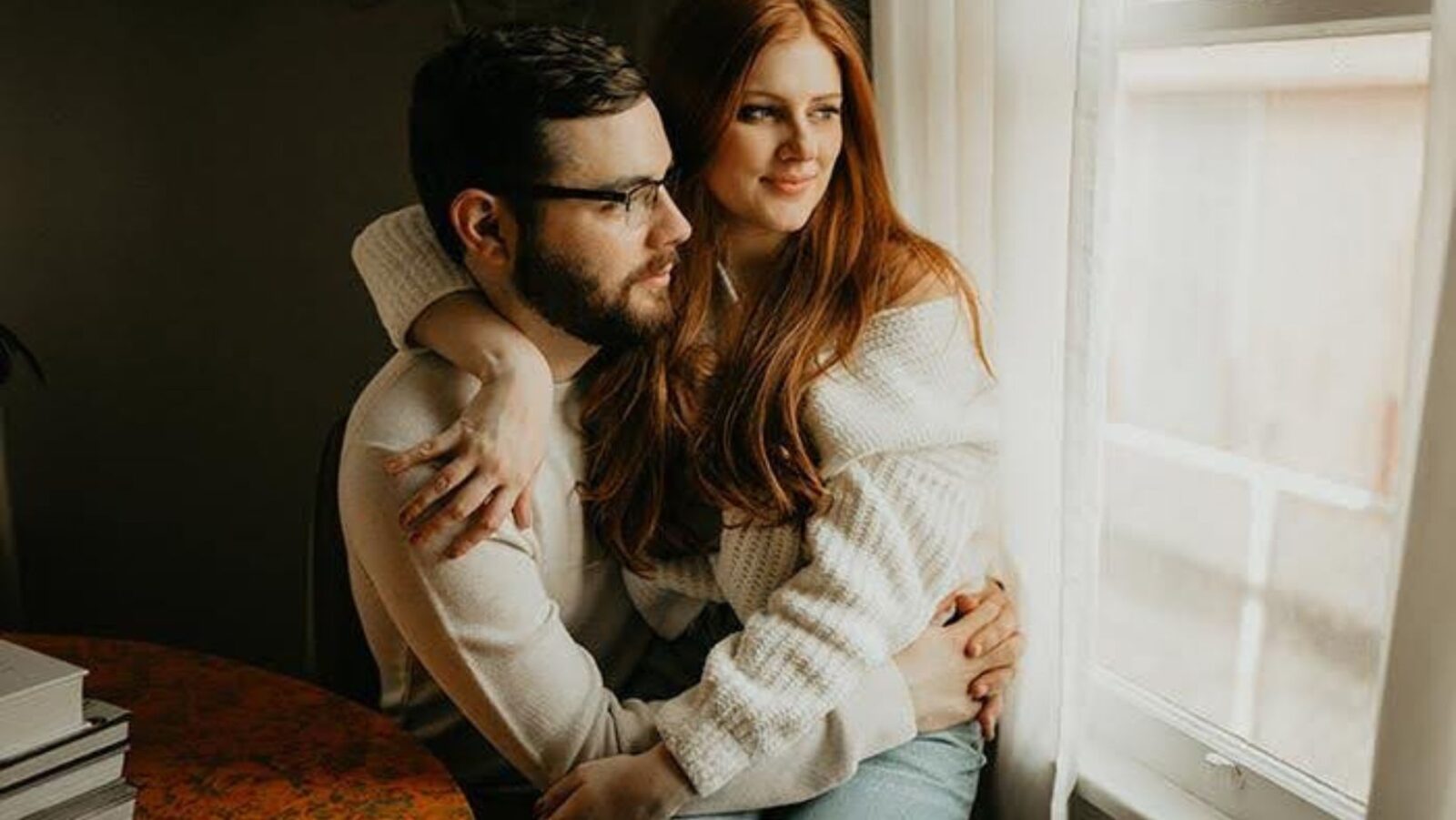
Creators looking to understand why partnered content models succeed often study examples from resources like https://onlymonster.ai/blog/onlyfans-couples/, which break down how collaborative creator formats build momentum, especially in couple-based setups. And honestly, seeing the behind-the-scenes mechanics of growth can be strangely motivating. It reminds you this isn’t magic — it’s strategy plus chemistry.
The Technology Making Co-Op Creation Easier Than Ever
Co-op creation isn’t growing just because people suddenly like collaboration (although that’s part of it). It’s growing because the tech finally makes it easy.
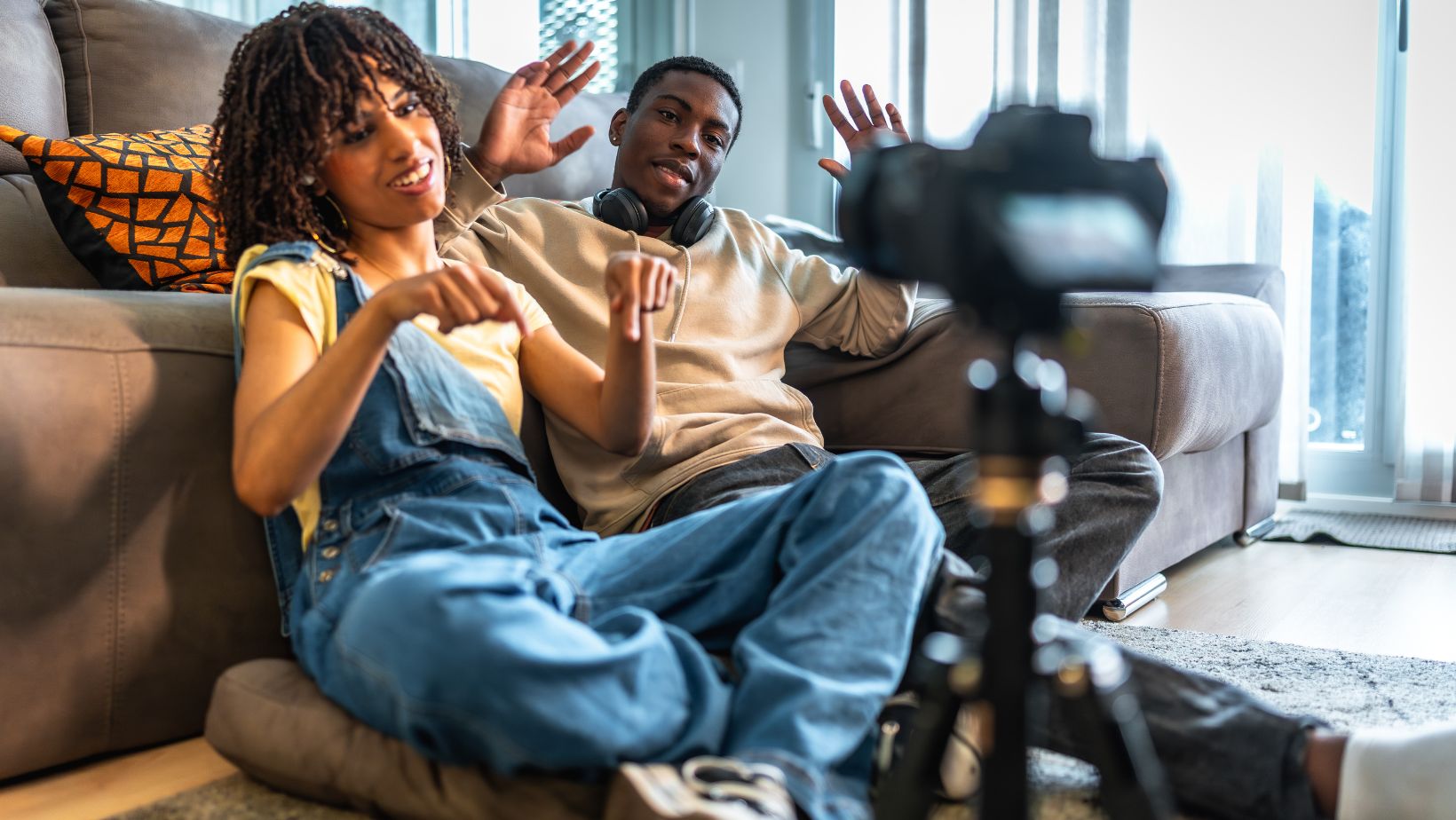
- Cross-platform party chat and real-time co-streaming. Creators can now stream together from different rooms, cities, or countries with almost no friction. Add screen sharing and synced audio, and it feels like everyone’s in the same space.
- Multi-cam capture. Shared rooms or gaming setups can now switch angles instantly, showing reactions side-by-side — a huge win for co-op storytelling.
- Cloud editing tools. Teams no longer need to send giant files back and forth. Everything happens in one shared workspace, which means editing becomes a collaborative task instead of a lonely one.
- AI-assisted editing. Auto-highlights, automatic clip generation, smart transcription — tools that save hours. Hours that creators can reinvest into filming together rather than fighting deadlines.
Tech didn’t just make co-op creation possible. It made it smooth.
Building a Strong Co-Op Creator Workflow
Of course, teaming up isn’t the same as instantly functioning well together. A co-op brand is still a system, and systems need structure.
- Define roles early. One person handles gameplay. Another edits. Maybe someone manages community messages or scheduling. Roles don’t have to be rigid — just clear enough to avoid confusion.
- Plan as a team. Not every idea will excite both creators, and that’s okay. But having shared planning sessions keeps the momentum steady. It also reduces those “Wait, were we filming today?” moments.
- Craft a shared identity. The best co-op creators feel consistent — not identical, just harmonized. Whether it’s humor, gameplay style, or the brand aesthetic, viewers should know what “you as a duo” feels like.
- Avoid the classic pitfalls. Communication gaps, unequal workload, mismatched expectations — these are the silent killers of co-op channels. Being honest (even awkwardly honest) saves partnerships more often than talent does.
When a workflow clicks, though… Everything feels lighter. And fun. That matters more than people admit.
Why Co-Op Creation Fits So Well With Gaming Culture
Gaming has always been social. Even before online multiplayer took over, there were couch co-op games, LAN parties, shared saves. The culture was built on teamwork long before streaming existed.

That’s why co-op creation feels so natural here.
- Co-op streams mirror real gaming experiences. People don’t just want to watch a game — they want to feel like they’re sitting in the room with friends playing it.
- Viewers love belonging to a group. There’s a comforting sense of “hanging out” when watching a duo or squad. It’s less performance and more companionship.
- Duo channels and squad brands are rising fast. Creators are forming long-term partnerships with recognizable identities — not just “a streamer,” but “one half of a team.”
Gaming culture thrives on shared experiences, so it makes sense the creator world would evolve in that direction too. In a way, co-op content completes the loop: creators play together, viewers watch together, and everyone feels part of something bigger.
Conclusion
Co-op creation isn’t a small trend — it’s becoming one of the strongest growth strategies in gaming and online entertainment. Teaming up multiplies creativity. It multiplies reach. It multiplies the emotional connection audiences feel when they watch.
Creators who embrace this collaborative model aren’t just making content. They’re building communities, stories, and brands that feel alive.
And as technology keeps making teamwork easier, the future of online entertainment looks less like a solo mission and more like a shared adventure — the kind you experience together, not alone.
Because co-op has always been where the magic happens.