




Start another match. Hit the “Play again” button. Just this one time, and then you’ll close the window. But you’ve said that a couple of times already; you still haven’t left the game. The screen is glowing, it’s subtle yet loud, asking nothing yet offering everything. A near win feels close enough that you can almost touch it; a loss feels easy to fix. You’re sitting there, thinking you’re in control. Time moves; you barely notice. The button waits, patient, almost polite. Press it again, it suggests, and maybe things will take a turn for the better. The thought seems simple, harmless, almost routine-ish. Still, the moment stretches. One click becomes two; two become ten. The game continues, and so do you. The exit stays open, yet untouched, while the cycle grows stronger with each round.
Understanding Addiction as a Pattern
Addiction follows a pattern; it builds slowly, then holds tight. It starts with a small action that feels safe, then repeats. Over time, the action becomes a habit; the habit becomes a need. The rehab center, Bridging the Gaps, explains it in a simple way: a person chases a feeling, then pretty soon loses control of the chase. This idea applies to many behaviors, not just substances. Therefore, gambling fits the same path: a person feels excitement, then seeks it again. The brain links the action with reward; the link grows stronger with each repeat. Control fades; the pattern stays. The person may notice the change, yet feel that they’re unable to stop.
The Design of Online Gambling Platforms
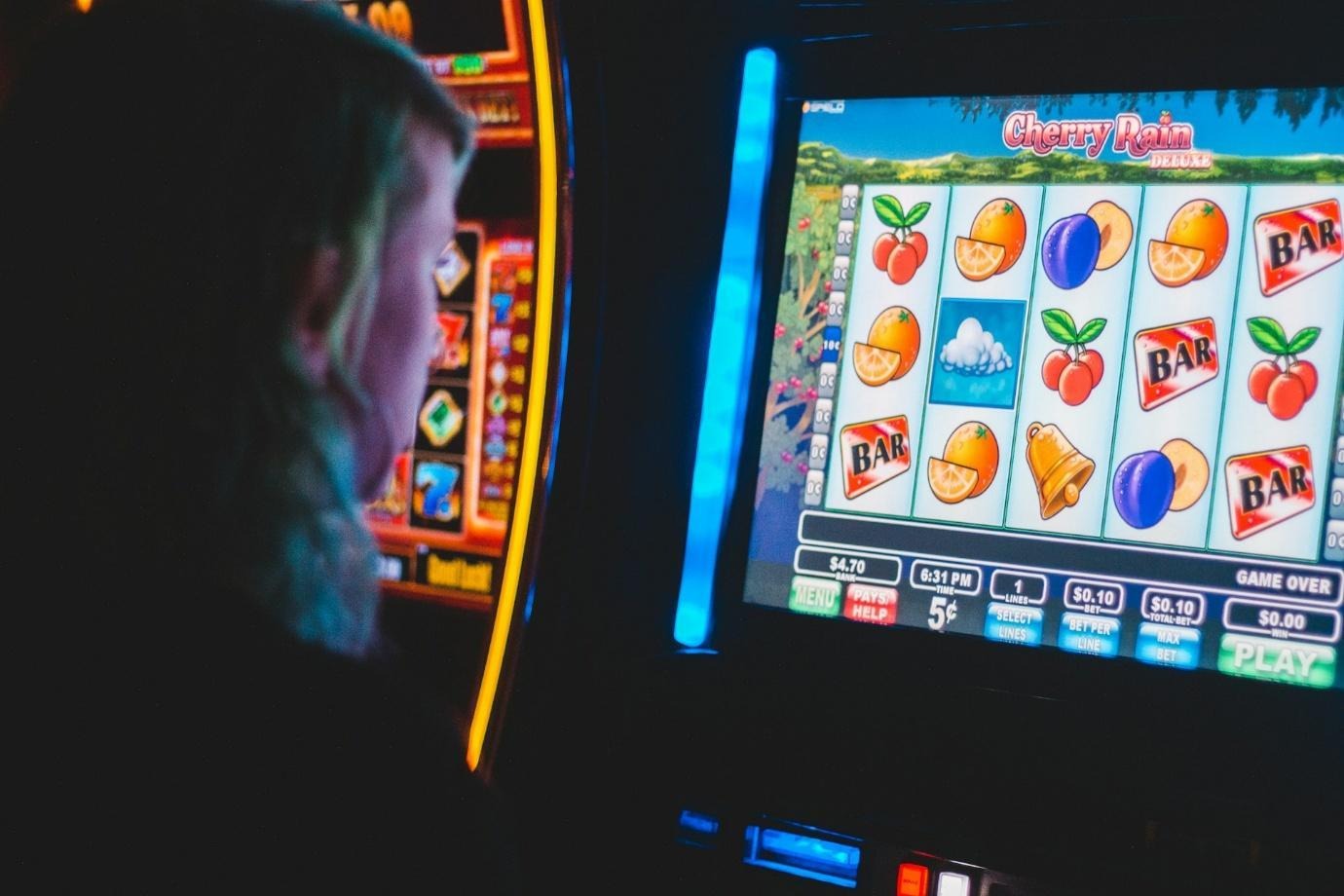
Online gambling platforms are using various design choices that guide behavior. The colors are bright; the sounds are sharp. Wins trigger quick effects; losses stay quiet. The pace moves fast; there’s little time to pause. The “Play again” button is there, in clear view; it asks for a quick response. The platform removes friction; it keeps the player engaged. Each game feels short; each round invites another. The system tracks behavior and adapts to keep attention. A player may feel they choose freely, yet the design is what’s shaping each step. The experience feels smooth; the decisions feel small. Over time, these small steps build a long session. The player remains in motion, even when they’ve intended to stop.
The Psychology Behind Repetition
The mind responds strongly to rewards, even small ones. A near win feels powerful; it suggests success is so close. This feeling will push a person to start another match. The brain releases signals that link action and pleasure. These signals don’t require a large reward; even a small win can sustain them. Repetition strengthens the link; the action becomes automatic. A person may press the button without much thought. The choice feels simple, yet it carries weight. The pattern forms; the loop continues. The player may believe the next round will change everything. This belief keeps the cycle alive. The mind stays focused on possibility, not on outcome.
The Role of Control and Illusion
A sense of control can shape gambling behavior. A player may believe their choices affect the result. They may think timing matters; they may trust their instinct. In reality, many games rely on chance. The outcome doesn’t depend on skill, but the feeling of control remains. This gap creates tension and keeps the player engaged. The player may adjust their approach; they may change their bets. Each action feels meaningful, even if it doesn’t really alter the result. The illusion of control supports the cycle. The player continues, hoping to influence the outcome. The belief feels real; the result stays uncertain.
Social and Emotional Factors
Gambling doesn’t exist in isolation; it’s always tied to emotions and social context. A person may play to relax; they might seek an escape from stress. Online platforms provide easy access; they remain open at all times, 24 hours a day. A player can enter the game at any moment. Social features may add pressure; leaderboards and shared results can shape behavior. A person may compare their progress; they may feel the need to continue. Emotions play a strong role, as loss may lead to frustration and a win may lead to excitement. These feelings are driving action. The player may return to the game to change how they feel. The cycle grows, guided by emotion.

Recognizing the Change
Recognition marks an important step. A person may notice they spend more time than planned. They may notice patterns in their behavior; they may feel a loss of control. This awareness doesn’t necessarily lead to change, yet it creates a moment of pause. The player can reflect on their actions. They can ask simple questions: why continue, why start another match, what’s gained, what’s lost. The answers may feel unclear, yet the process matters. A person might try seeking support; they may speak with others. Compassion helps here; judgment doesn’t. The goal isn’t to assign blame, but rather to understand. Change begins with awareness.

Moving Toward Balance
Balance requires effort and support. A person may set limits; they may control time and spending. These steps can help, yet they probably won’t solve the issue alone. Support systems matter; friends, family, and professionals can offer their guidance. The player may learn to replace the habit with other activities. They may find new ways to manage stress; they may build healthier routines. The process takes time; it doesn’t follow a straight line. Progress may feel slow, yet it remains valuable. Each step away from the cycle builds strength. The player moves toward control, one decision at a time.
The “Play again” button does more than invite a new round. It can shape behavior; it can reinforce patterns that grow over time. The action may feel small, yet it carries weight. A person may press it without thought, yet the choice matters. Understanding this process helps create awareness. Awareness supports change, and change supports balance.
The vicious cycle can be broken, though it requires effort and care. Compassion remains key; the person deserves understanding, not judgment. The button still exists; it still invites action. The difference lies in the response. A player can pause; they can choose not to start another match.