



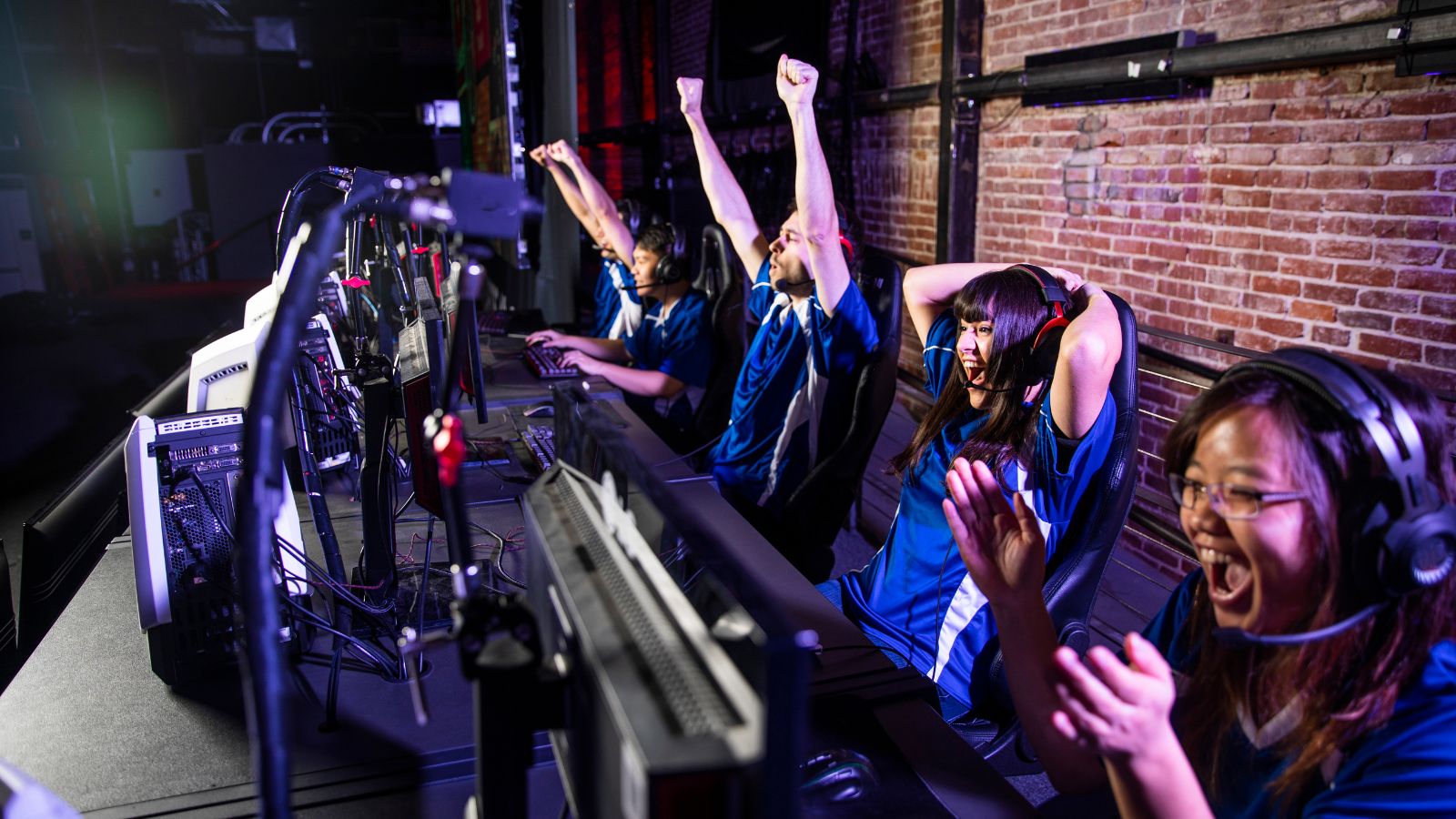

In less than a decade, the perception of competitive gaming on university campuses has undergone a radical transformation, moving from informal student clubs to a multi-million-dollar institutional pillar. Recent financial tracking indicates that North American universities alone have surpassed $25 million in annual esports scholarships, a figure that has grown by over 400% since 2018. This “digital maturity” reflects a broader trend where higher education institutions are no longer merely acknowledging gaming but are actively integrating it into their athletic, social, and academic infrastructures. The professionalization of this sector is driven by a sophisticated synergy of high-speed networking, specialized facility management, and a data-driven approach to player development.
Institutional Shift: The Professionalization of Campus Gaming
The primary indicator of maturity in the collegiate esports space is the move toward formalized governance. Universities are increasingly adopting structures that mirror traditional NCAA sports, including dedicated coaching staff, rigorous recruitment protocols, and academic eligibility requirements. This shift is not merely about legitimacy; it is a strategic move to capture the attention of a “digital-native” demographic that prioritizes tech-forward campus environments.
To understand the scale of this institutional commitment, it is necessary to examine the primary investment areas that define a “mature” collegiate program.
| Maturity Pillar | Focus Area | Impact on Student-Athletes |
| Governance | Formal Athletic Integration | Access to trainers, nutritionists, and mental health support |
| Scholarships | Merit-Based Financial Aid | Reduced tuition costs for top-tier talent across titles |
| Curriculum | Esports Management Degrees | Direct career pathways into the $2B global industry |
| Recruitment | Data-Driven Scouting | Structured pipelines from high school to university |
As these programs evolve, they are moving away from the “all-purpose” computer lab model. Instead, universities are investing in dedicated arenas that serve as both training grounds and event venues, capable of hosting regional tournaments that draw significant physical and digital viewership.
Infrastructure Audit: The Technical Foundations of Competition
The maturity of a collegiate esports program is often measured by the quality of its hardware and the stability of its network. Competitive gaming at this level requires near-zero latency, necessitating dedicated fiber-optic lines and enterprise-grade routing solutions that are isolated from the general campus Wi-Fi traffic. This technological investment often serves as a “stress test” for university IT departments, pushing them to implement cutting-edge networking solutions that eventually benefit the entire campus.
This level of digital precision and high-stakes infrastructure is becoming standard across various sectors of the entertainment industry. For instance, the Casino VOX digital ecosystem relies on similarly robust server architectures to manage high-volume transactional data and real-time user interactions. Just as a collegiate esports arena must ensure a fair, lag-free environment for its athletes, modern digital entertainment platforms must maintain extreme stability to support global player bases. The convergence of these technologies shows that whether the goal is an Overwatch 2 championship or a secure digital entertainment session, the underlying requirement for “digital maturity” remains the same: high availability, low latency, and uncompromising security.
Technological Synthesis: Data Analytics and Performance Tracking
Mature collegiate programs are distinguished by their use of telemetry and performance-tracking software. Rather than relying on subjective coaching, modern programs utilize AI-driven analytics to break down player behavior, from actions-per-minute (APM) to eye-tracking heatmaps.
The Role of VOD Review and Predictive Modeling
Video-on-Demand (VOD) review has evolved into a sophisticated analytical process. AI tools now automatically timestamp key events in a match, allowing coaches to analyze positional errors or resource management efficiency. This data-driven culture fosters a level of discipline that rivals traditional sports science. By quantifying “game sense,” universities are creating a reproducible curriculum for talent development that reduces the volatility of team performance over multiple seasons.
Streaming and Content Production as Academic Labs
Esports maturity also extends to the broadcast booth. Many universities utilize their esports programs as live laboratories for journalism and media production students. The “Observer” role in a broadcast—the person responsible for the in-game camera work—is now recognized as a skilled technical position requiring deep knowledge of both cinematography and game mechanics. This allows the university to create a self-sustaining content ecosystem where players, casters, and production crews are all gaining professional-grade experience.
The Socio-Economic Impact: Beyond the Competition
The maturity of the sector is perhaps most evident in the diverse career pathways it creates. It is a misconception that these programs only produce professional gamers. In reality, the collegiate esports ecosystem serves as a pipeline for a wide array of technical and managerial roles.
The development of “soft skills” within these high-stakes digital environments is a critical component of the maturity model. Students participating in these programs often demonstrate superior capabilities in the following areas:

- Crisis management: Handling technical failures or in-game collapses under the pressure of a live audience.
- Collaborative logic: Working within diverse teams to solve complex, real-time problems through digital interfaces.
- Data literacy: Interpreting complex telemetry to improve personal and team performance metrics.
- Brand management: Navigating the complexities of digital personas and sponsorship obligations as student-athletes.
These skills are highly transferable, making esports graduates some of the most sought-after candidates in the broader tech and digital marketing sectors. Universities that recognize this are increasingly marketing their esports programs as “workforce development initiatives” rather than mere extracurricular activities.
Strategic Benchmarking: Collegiate vs. Professional Ecosystems
As collegiate esports matures, the line between “amateur” and “professional” is blurring. Many Tier-2 and Tier-3 professional organizations now look to the collegiate scene as their primary scouting ground. This “Path to Pro” is becoming more structured, with universities acting as the “Minor Leagues” for major titles like League of Legends and Rocket League.
However, the collegiate model offers a unique advantage: stability. While the professional esports scene is often criticized for its volatility and short player lifespans, the collegiate ecosystem is anchored by the four-year degree. This ensures that even if a student does not make it to the professional stage, they exit the program with a formal education and a portfolio of digital skills. This long-term focus on student welfare is a hallmark of a digitally mature institution that prioritizes sustainable growth over short-term tournament wins.
The Long-Term Integration of Digital Sport
The conclusion of this evolutionary process is not simply the existence of gaming on campus, but the total normalization of “digital sport” within the academic fabric. We are moving toward an era where the distinction between “physical” and “digital” athletics is increasingly irrelevant in the eyes of university administrators. The maturity of collegiate esports has proven that when managed with the same rigor as traditional disciplines, gaming is a powerful tool for recruitment, retention, and professional development.
The next phase of this journey will likely involve deeper integration with emerging technologies such as VR-based training and blockchain-verified credentialing for players. As universities continue to invest in these digital ecosystems, they are doing more than just supporting a hobby; they are building the infrastructure for the future of competitive human endeavor. The “gamer” of yesterday has become the “digital athlete” of today, and the universities that embraced this change early are now the architects of a new standard in global education.