


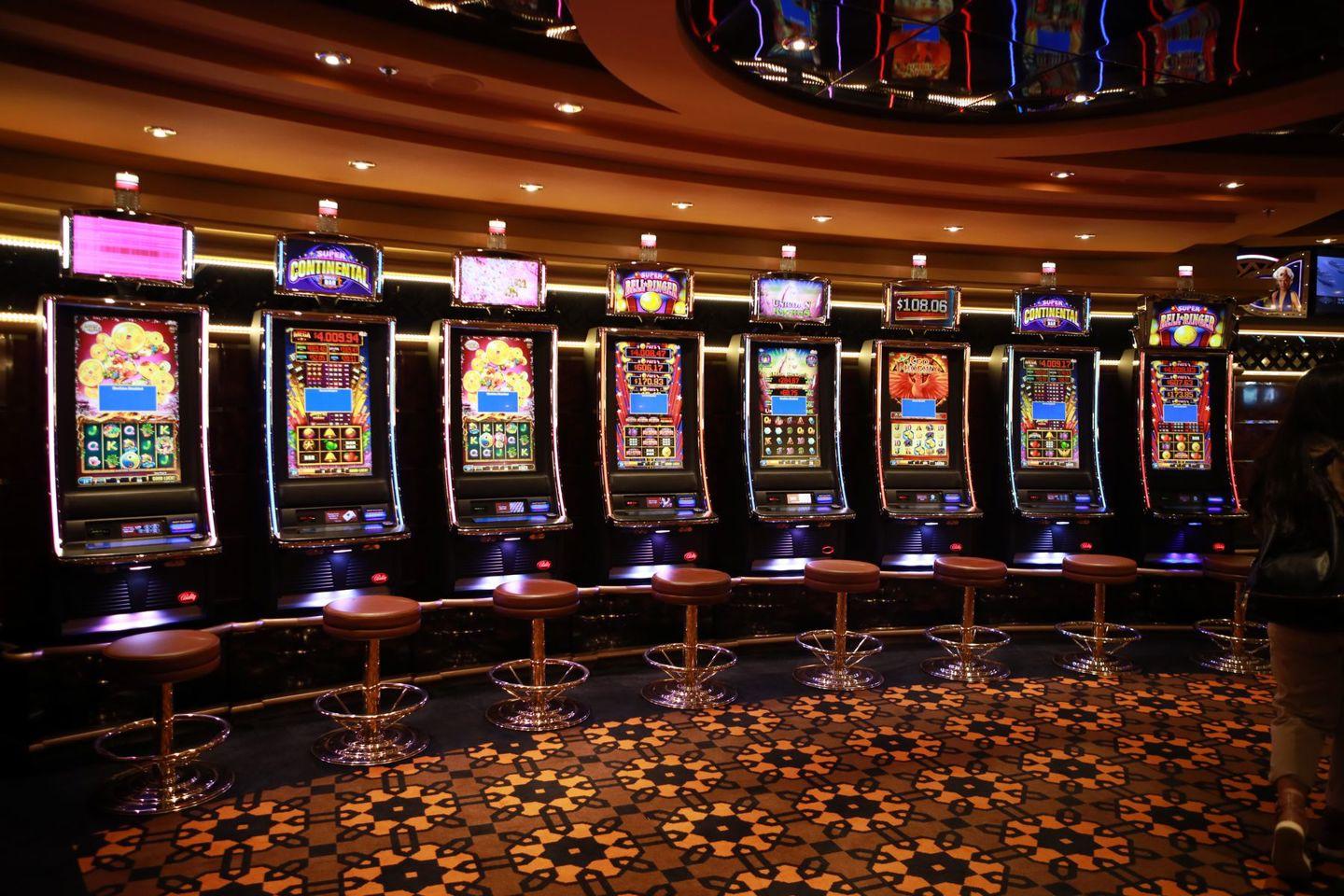

If you have played video games, you will probably recognize some of the design choices now appearing in online slots. From animated reels to bonus features and responsive controls, these familiar mechanics have changed how digital pokies look, sound, and feel.
Slot games were once defined largely by spinning reels, symbols and straightforward controls. In this digital age, you can find titles that borrow ideas from mainstream video games, using movement, sound and interactive features to create a more varied experience. Understanding these design choices gives you a clearer picture of what happens behind the graphics when you explore online gaming platforms.
The Interface Becomes Part of Play
Think about the last video game you played. You probably relied on more than the main action on screen to understand what was happening. A flashing objective or a short sound effect may have told you when something changed without requiring you to stop and read a set of instructions.
Modern slot games use similar ideas. The reels remain the main attraction but the surrounding interface plays a bigger role in showing you where to look, which controls are available and when a particular feature becomes active.
This is where the principles of video game design become particularly noticeable. A heads-up display, commonly known as a HUD, puts important information within easy reach. In a slot game, you might see the balance, current stake, spin button, and access to the paytable arranged around the reels.
When these elements work together, you can understand the basic layout without having to search every corner of the screen.
A platform such as the casiny slots lobby groups slots, live dealer games and table games in one place, and clear categories and game information help you tell the formats apart before you open a title.
So, the reels still determine the outcome, but the interface influences how you experience each stage of play.
Giving Each Game a Distinct Identity
One reason video games remain varied is that their mechanics differ from title to title. Some focus on timing, others on exploration or puzzles, and each uses its interface to explain what makes the experience distinctive.
Slot developers follow a comparable approach. You might encounter a traditional game built around fixed paylines, followed by a title featuring cascading symbols, expanding reels, or a sequence of bonus rounds. These mechanics change how combinations appear and how features unfold, even though the basic format remains familiar.
Spatial arrangement helps establish that identity. In one game, the reels may dominate the screen, with the controls neatly positioned underneath. In another, a feature meter or animated symbol may receive more attention because it plays a central role in the game’s mechanics.
A platform can provide a consistent browsing experience without making every game look the same. That balance between familiar navigation and individual character is one of the defining features of modern slot design, and it reflects the wider game design mechanics shared by video games and casino games.
How Sensory Feedback Speeds Interaction
Sound and animation are not simply decorative extras. In video games, they tell you when an action has registered or when something important has happened. Slot games use the same techniques to connect your actions with what appears on screen.
A spinning reel might slow before stopping, a special symbol might light up or a change in the soundtrack might introduce a bonus round. These effects help distinguish one moment from another and give each game its own rhythm.
A 2025 study published in the Journal of Gambling Studies offers an interesting perspective on this relationship. Researchers tested 156 participants using a simulated slot machine, changing the intensity of its sound and visual effects. They found that participants experienced greater immersion when exposed to intermediate levels of audiovisual feedback compared to minimal feedback.
The findings highlight how much sound and animation can influence the overall gaming experience. Rather than simply making a game look more appealing, these design elements can affect how involved you feel while playing.
When Celebration Obscures the Outcome
A celebratory animation can make a game feel lively. Bright symbols or upbeat music can draw your attention to a result, particularly when a feature or combination appears on the reels.
However, the sound of a celebration does not necessarily tell you what happened financially. This distinction is important in slot design, where a visually prominent result may not represent a net gain after accounting for the stake.
A 2014 study published in the Journal of Gambling Studies, titled “The Impact of Sound in Modern Multiline Video Slot Machine Play,” examined how sound effects influence the way people experience slot machine games. Researchers asked 96 gamblers to play a simulated slot machine with and without sounds accompanying certain outcomes. The results showed that sound influenced participants’ psychological and physiological responses. Interestingly, players also tended to overestimate how often they won when winning sounds were included.
This gives you a better idea of why celebratory effects deserve attention when looking at modern slot game design. It’s no longer about one thing. A combination of music, animations and sound effects can make an outcome feel more rewarding, even when the actual financial result tells a different story.
Reading Feature-Rich Slot Interfaces Carefully
When you browse online pokies, the theme is often the first thing you notice. It might involve a particular setting, a familiar visual style or a collection of symbols that gives the game its character. Yet the interface tells you much more about how the title works.
Casiny provides a useful example of a multi-category platform where players can explore slots alongside live dealer and table games. In a lobby containing different formats, clear labels and accessible information help you identify the kind of experience a title offers before you start playing.
Before you play, take a moment to look at these five interface features:
- Reward cues: Pay attention to the symbols, sounds and animations that accompany a result. Check the displayed payout to understand the financial outcome.
- Bonus prompts: Read the conditions for free spins, multipliers and special rounds, so you know what triggers a feature and how it works.
- Pacing controls: Look for rapid-spin options, automatic-play settings and other controls that can affect the speed of a session.
- Layout priorities: Locate the balance, stake information, paytable and game rules. Check whether you can still access them when a bonus feature begins.
- Core mechanics: Find out whether the game uses fixed paylines, ways-to-win arrangements, cascading symbols or another system for evaluating combinations.
Here’s what you need to keep in mind:
|
Design element |
What you can learn from it |
|
Reel animation |
How a spin progresses and when the result appears |
|
Cascading symbols |
How symbols may change after a combination |
|
Bonus meter |
Whether a feature has a visible progress indicator |
|
Sound and visual effects |
Which events the game emphasizes |
|
Paytable and result display |
How combinations are evaluated and what the outcome means |

Gambling is for entertainment purposes only and should never be seen as a way to make money. Please gamble responsibly and only bet what you can afford to lose. 18+ only.