



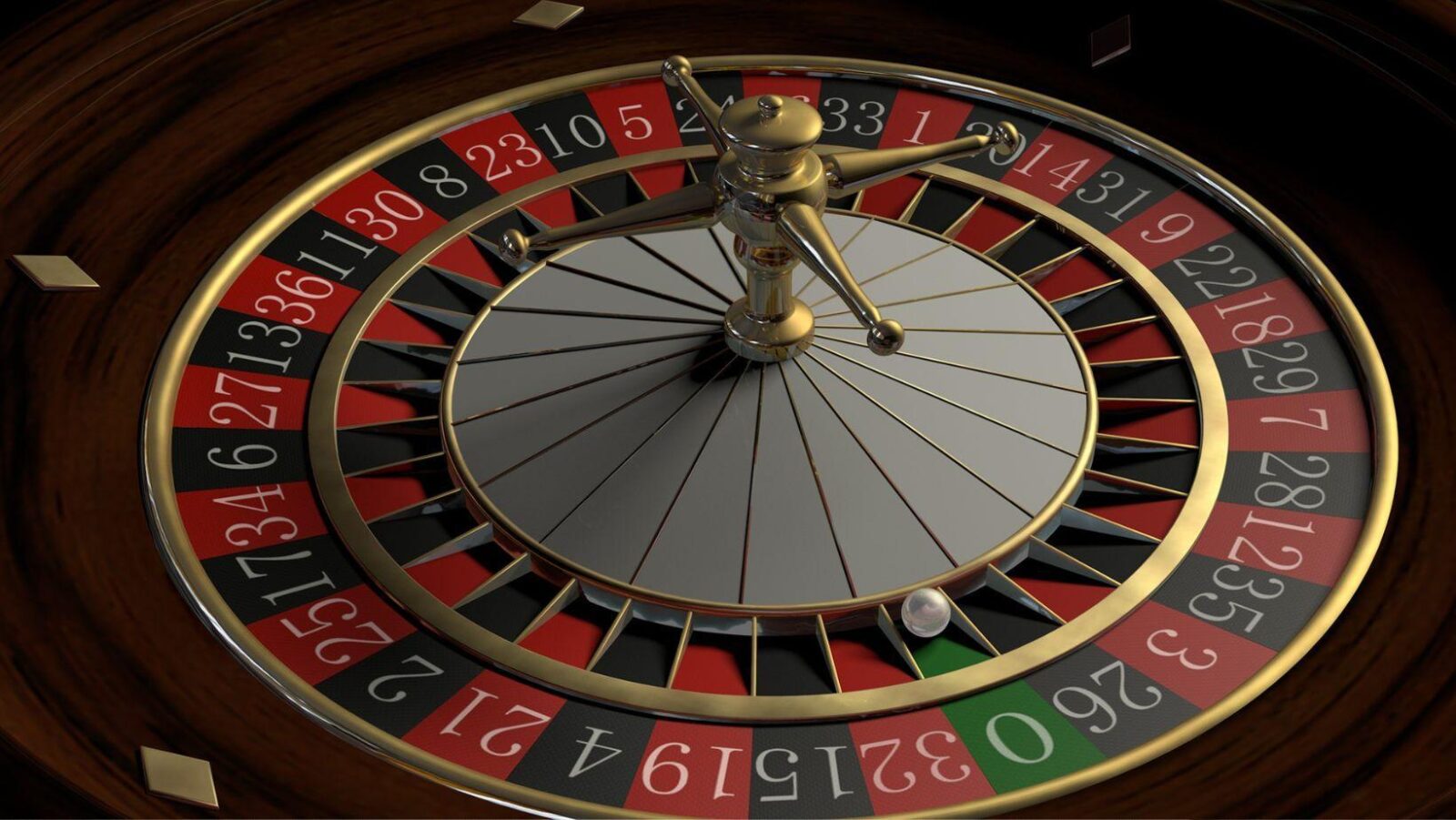

Every roulette player, at some point, hears about a "system." A friend swears by it. A YouTube video promises a sure thing. A guy at the table whispers about doubling up. The names sound impressive too. Martingale. Fibonacci. D'Alembert. They carry a certain mathematical gravitas, like they were handed down from people who really cracked the code.
Here's the uncomfortable truth: none of them work. Not in the long run, not in the short run, not on Tuesdays. And the reason is so simple it almost feels like a letdown.
The Math Doesn’t Care About Your Strategy
Roulette has a house edge. On European wheels with a single zero, it's about 2.7%. On American wheels with both 0 and 00, it jumps to 5.26%. That edge applies to every single spin, regardless of what you bet, how much you bet, or what your last ten results looked like.
This is the part most system sellers conveniently skip over. If every individual bet has negative expected value, no combination of those bets can produce positive expected value. That's not an opinion. That's a provable mathematical theorem. Translation: rearranging your bet sizes is just a fancier way of losing the same money.
If you want to see this play out yourself, fire up European roulette on a licensed New Jersey site like Betinia NJ and try a few hundred spins with whatever progression you like. You'll watch the math assert itself in real time. It's a strangely useful exercise.
Martingale, the Doubling Trap
Martingale is the famous one. You bet on red, lose, double the bet, lose again, double again, and eventually you win and recover everything. Sounds bulletproof, right?
It isn't. Two things crush this system. First, table limits. Casinos cap the maximum bet on even-money wagers, so after eight or nine consecutive losses, you literally cannot double anymore. Second, your bankroll. A run of seven losses starting from a $10 bet means your next stake is $1,280. Most people don't have the stomach, or the chips, for that. And those losing streaks? They happen way more often than your gut tells you.
Fibonacci, the Math-Class Version
The Fibonacci system uses the famous sequence (1, 1, 2, 3, 5, 8, 13, and so on). After each loss, you move forward one number. After a win, you step back two. It feels smarter because, well, Fibonacci. Da Vinci. Nature's spiral. It must mean something.
It doesn't mean anything for roulette. The sequence is just a slower, gentler way to chase losses. You'll last longer than with Martingale, sure, but the house edge keeps grinding away at every spin. The bigger your bets get during a cold streak, the more painful the eventual reckoning.
D’Alembert, the “Safe” One
D'Alembert is the most conservative of the three. Lose a spin, increase your bet by one unit. Win a spin, decrease it by one. The idea is that wins and losses will eventually balance out, so this gradual approach should keep things even.
Except wins and losses don't owe each other anything. Each spin is independent. The wheel has no memory of what just happened, and red isn't "due" because black hit four times in a row. That belief, by the way, has a name: the gambler's fallacy. It's one of the most well-documented mental glitches in all of gambling.

So What Do These Systems Actually Do?
Fair question. They're not completely useless, they just don't do what most people think.
What they do offer is a structure for managing risk over a single session. Martingale gives you frequent small wins, occasionally interrupted by catastrophic losses. Fibonacci stretches your bankroll a bit longer. D'Alembert keeps your variance low. They reshape your experience at the table. They don't reshape the math.
If you want the best odds in roulette, your real edge comes from game selection, not betting patterns. European wheels beat American wheels every time. French roulette with "la partage" rules is even better, cutting the edge on even-money bets nearly in half. That choice matters far more than whether you're scribbling Fibonacci numbers on a cocktail napkin.
Play for the Right Reasons
There's nothing wrong with playing roulette. It's a beautiful, social, dramatic game. Just play it knowing what it is. Set a budget, treat any losses as entertainment money, and walk away when you're up if that's what feels right.
Because the only true "system" in roulette is choosing how much fun you're willing to pay for. Everything else is just math wearing a costume.