





When you get to a certain level within a business, it often becomes necessary to take business trips abroad. These can be varied experiences, for sure. They can be exciting and a big part of the role, and they can also require that you are doing all you can to represent your company as well as possible. There is a lot to consider here all in all, in fact, if you want to make the most of such an experience.
Business travel has a strange dual nature. On paper, it sounds glamorous: airports, hotels, new cities, the quiet thrill of stepping briefly into another version of your life. In practice, it’s often a compressed stretch of logistics, expectations, and fatigue. You’re still you, with your habits, your rhythms, but now operating in unfamiliar surroundings with less margin for error. Mastering the business trip isn’t about eliminating the friction entirely. It’s about learning how to move through it with intention.
Start Before You Leave
A successful trip rarely begins at the airport. It begins with clarity. Why are you travelling, and what does success look like when you return? If you’re attending meetings, define the outcomes you want. If you’re networking, know who you want to connect with and why. Without that, travel becomes motion without direction.
Preparation is not just about packing efficiently, though that matters. It’s about reducing decision fatigue later. Book flights that give you breathing room, not just the cheapest option. Choose accommodation that supports your purpose – close to where you need to be, with enough comfort to properly rest. Think of your future self arriving in a new place, slightly tired, slightly disoriented. Every decision you make beforehand should make their life easier.
Travel Light, Think Clearly
There’s a particular kind of stress that comes from managing too much luggage. It slows you down, both physically and mentally. Travelling light is less about minimalism for its own sake and more about mobility. When your bag is simple, your movements become simpler too. You’re quicker through airports, less reliant on taxis, more able to adapt.
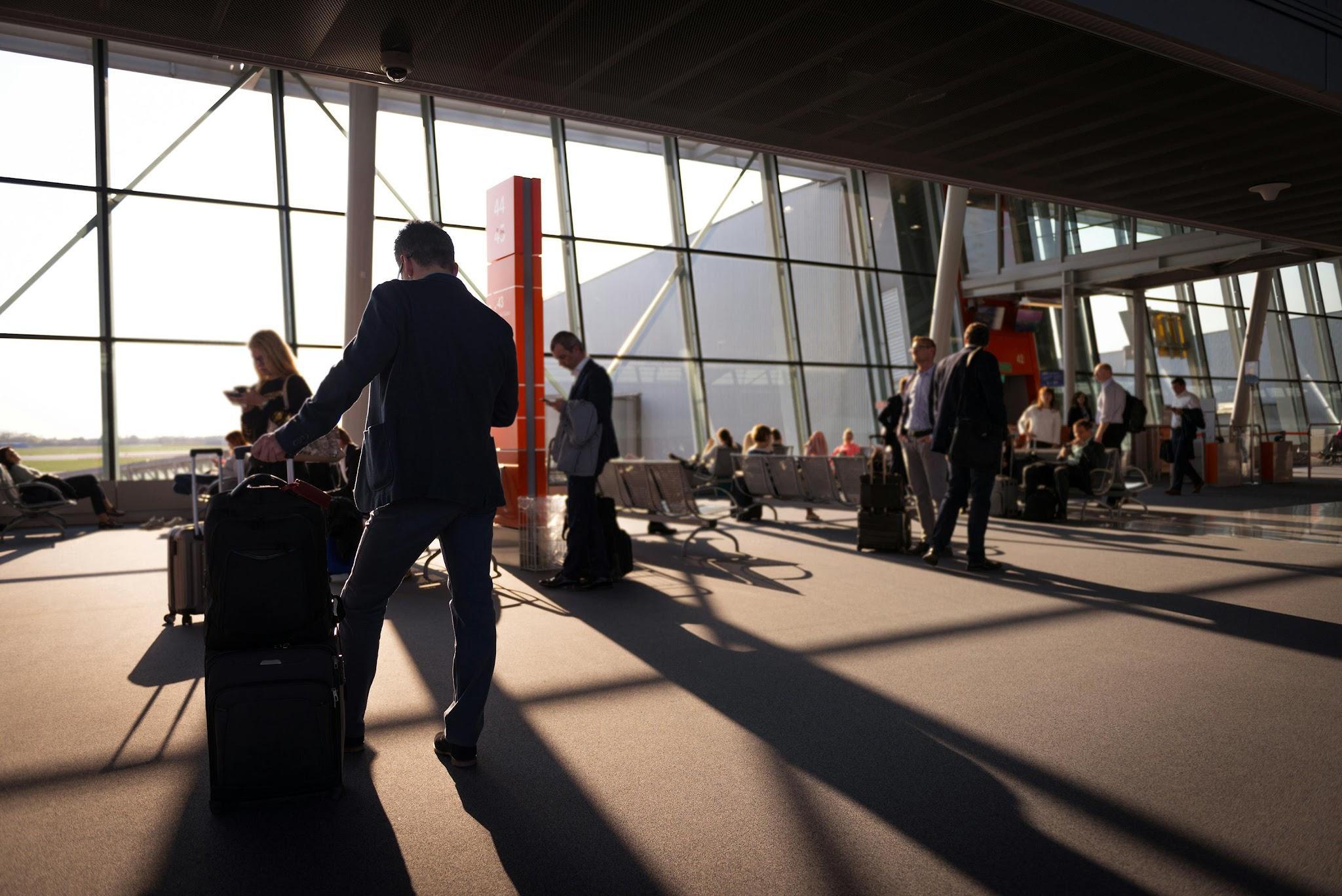
That said, business travel sometimes demands more than a backpack – presentation materials, multiple outfits, equipment. This is where strategy matters. If you’re arriving early or leaving late, consider using luggage storage services at airports, train stations, or within the city. Being able to store your bags somewhere secure gives you back a surprising amount of freedom. You can step into meetings fresh, explore a bit without being weighed down, or simply avoid the awkward shuffle of dragging a suitcase through a café. It’s a small decision, but it changes the tone of your day. You’re no longer someone in transit: you’re present where you are.
Master the In-Between Time
Business trips are made up of gaps. Waiting at gates, sitting in taxis, standing in queues, killing time between appointments. These moments are often treated as dead space, but they don’t have to be.
The key is to assign them purpose without overloading them. Some gaps are perfect for shallow tasks – replying to emails, reviewing notes, confirming logistics. Others are better used for recovery. Put your phone away, look out the window, let your mind idle. There’s a tendency to try and optimize every minute, but that often leads to burnout by the time the actual work begins. If you treat these in-between moments as part of the trip rather than interruptions to it, the whole experience becomes smoother. You’re not constantly waiting for the “real” part to start.

Stay Grounded in Unfamiliar Places
There’s a subtle disorientation that comes with being somewhere new. Even if you travel often, each city has its own rhythm, its own quiet assumptions. It’s easy to feel slightly unanchored, which can affect how you show up professionally.
The solution is to create small points of stability. This could be as simple as maintaining your morning routine – coffee, a short walk, a few minutes of stillness. It could mean choosing one café or spot near your hotel and returning to it. These small repetitions give you a sense of continuity, a thread that runs through the unfamiliar. When you feel grounded, you’re more present in conversations. You listen better, respond more clearly, and carry a steadier energy into meetings. People notice that, even if they can’t quite name it.
Dress for the Environment
Business travel can tempt you into over-preparing your appearance. You imagine the ideal version of how you should look, rather than how you’ll actually feel moving through the day. Instead, dress for the reality of the trip. Consider the climate, the amount of walking, the transitions between formal and informal settings. Comfort and confidence are closely linked. If you’re physically at ease, it shows. If you’re constantly adjusting your clothes or worrying about how you look after a long journey, that distraction seeps into your interactions. A well-chosen outfit should feel like an extension of you, not a costume you’re performing in.
Respect Your Energy
One of the most overlooked aspects of business travel is energy management. It’s easy to overcommit: another meeting, another dinner, another opportunity squeezed into an already full schedule. After all, you’re there for a reason. You want to make the most of it.
But there’s a point where more becomes less. Fatigue dulls your thinking, shortens your patience, and reduces the quality of your presence. A single focused, well-handled meeting is often more valuable than three rushed ones. Build space into your schedule. Even an hour to reset between commitments can make a noticeable difference. Use that time intentionally – rest, reflect, or prepare. Treat your energy as a resource, not an afterthought.