



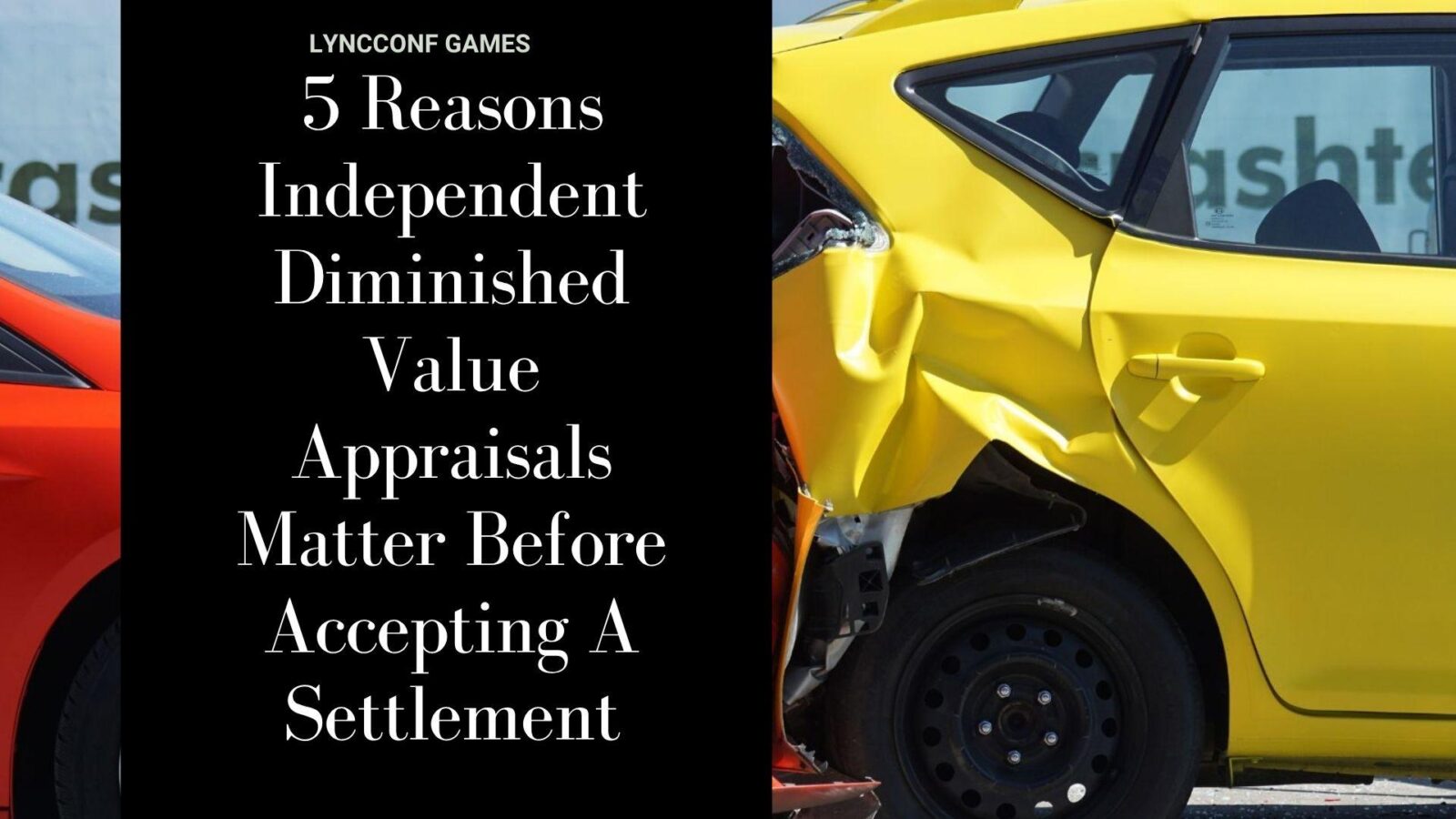

A car can look fully repaired and still lose part of its resale value after an accident. Buyers usually check vehicle history, and that record can affect offers in a direct way. For that reason, a careful review of value loss deserves attention before any settlement moves ahead.
Many owners accept an offer once repair costs are covered, yet that does not always reflect the full financial hit. Diminished value claims deal with the drop in market price that can stay with a vehicle even after proper repairs. An independent appraisal helps turn that hidden loss into a clear figure that supports a fair review.
1. A Clear Value Drop Becomes Easier To See
An accident can change how a car is viewed in the resale market. Even when the bodywork looks clean, buyers may still offer less because the vehicle history tells a different story. An independent appraisal puts that loss into plain numbers.
That matters because a lower resale figure does not always appear in a basic settlement offer. A trained appraiser looks at the car’s condition, mileage, repair history, and market demand. This creates a more complete view of the real loss.
2. An Outside Opinion Brings Balance
A neutral appraisal adds a fresh layer of perspective to the process. It gives the owner a value estimate from someone who studies market impact rather than repair cost alone. That separation can make the review feel more grounded.
Balance also matters because repair bills and resale loss are not the same thing. One restores the vehicle’s condition, while the other reflects what buyers may pay after the accident record appears. A separate appraisal keeps those two issues clear.
3. Written Proof Strengthens The Case
A formal report gives the owner something solid to use during settlement talks. It gathers the key facts into one place, which can include repair records, vehicle details, and comparable sales. That kind of support carries more weight than a rough estimate.
Clear paperwork also helps explain the value loss in a simple way. Instead of vague claims about a lower price, the owner has a document that shows how the number was reached. That can make discussions smoother and easier to follow.
4. Timing Matters Before A Settlement Is Accepted
The best time to review resale loss is before any final agreement is signed. At that stage, the owner still has room to compare the offer with the vehicle’s actual market change. That extra step can prevent part of the loss from being missed.
Early action also helps keep records organized and easy to verify. Photos, invoices, and repair details are usually easier to gather soon after the work is finished. A timely appraisal makes the process feel more orderly.

5. Market Behavior Shapes Real Car Prices
Buyers do not look at a repaired vehicle the same way they look at one with a clean history. A prior accident can lower the car trade-in offers and private sale interest, even when the repair work is excellent. That is a real market response, not a minor detail.
An independent appraiser studies those sales patterns with care. Local demand, vehicle type, age, and accident history all affect the resale price. This helps connect the appraisal to actual buyer behavior instead of guesswork.
A settlement should reflect more than the visible repair work. Diminished value claims help account for the resale loss that can stay with a vehicle after an accident. An independent appraisal gives the owner facts, written support, and a clearer basis for review before any final step is taken. That added clarity can make the outcome feel more complete and easier to accept.