



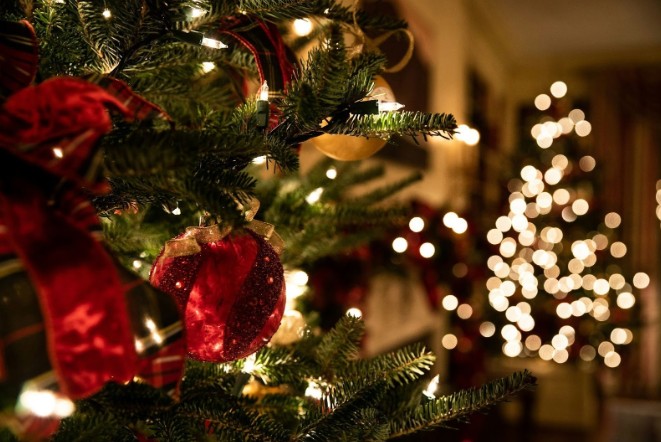

The festive season in Britain has undergone a dramatic transformation. Across the UK, homes are trading minimalist Nordic elegance for something far more exuberant: the unapologetically maximalist, gloriously garish Christmas aesthetic of the 1990s. From chunky multicoloured tinsel to oversized nutcrackers and disco ball baubles, the decade that gave us the Spice Girls, Britpop, and Home Alone is experiencing a full-throttle festive revival.
The Numbers Don’t Lie
The nostalgia trend isn’t just anecdotal. Google searches for “vintage Christmas decorations” have skyrocketed by 5,000%, while interest in tinsel has surged 180% in the past month alone. TikTok is awash with videos romanticising 90s Christmas décor, with users sharing throwback content that’s resonating powerfully with millennials and Gen Z alike. Even major retailers are getting in on the act, with Aldi’s ceramic ornaments making headlines and John Lewis introducing their first-ever pink Christmas tree to capture the decade’s playful spirit.
Rebellion Against Beige Perfection
For years, Christmas décor has been dominated by carefully curated, Instagram-ready schemes: all muted neutrals, coordinated colour palettes, and tasteful restraint. The 90s revival represents a joyful rebellion against this aesthetic tyranny. Interior experts note that after several seasons of minimalism, there’s a collective hunger for “joyful abundance” and the “more is more” approach that defined 90s festive style.
This isn’t subtle sophistication—it’s tinsel-fuelled anarchy. Think clashing colours inspired by video games and pop culture, mismatched ornaments featuring everything from Disney characters to Super Mario, and fairy lights in every hue imaginable. The 90s embraced bold visuals across fashion, music, and media, and that exuberance translated directly into Christmas decorating.
The Comfort Factor
Psychologists and retail experts suggest this trend runs deeper than mere aesthetics. Faced with a cost-of-living crisis, political uncertainty, and global unrest, nostalgia serves as a stabilising force. The familiar decorations from childhood offer a rose-tinted window into simpler times, providing comfort and emotional grounding during challenging periods.
The economic aspect is significant too. Rising costs for essentials like energy and food mean households are prioritising necessities over new décor. Many are rediscovering 90s decorations in their lofts or scouring charity shops and online marketplaces for budget-friendly alternatives.

As people seek ways to unwind during the festive chaos, many are also embracing modern wellness practices alongside retro aesthetics. CBD flowers have quietly become part of some people’s relaxation routines, offering a natural way to decompress after hectic holiday preparations.
The 30-Year Nostalgia Rule
Cultural theorists often reference the “30-year rule” of nostalgia—the tendency for trends to resurface roughly three decades after their heyday. For millennials now in their 30s and 40s, 90s Christmas represents peak childhood nostalgia. These adults are recreating the magical Christmases they remember, complete with the decorations that felt so special when they were young.
Gen Z has embraced the trend too, discovering the era’s aesthetic freshness through a contemporary lens. The decade’s bold colours, playful irreverence, and DIY spirit feel refreshingly authentic compared to the polished perfection of social media-ready décor.
Key Elements of the 90s Christmas Revival
Tinsel Reigns Supreme: Once dismissed as dated, chunky multicoloured tinsel is back with a vengeance. The key is confidence—don’t use it sparingly. Drape it generously across trees, wind it around banisters, and let it catch every fairy light.
Themed Ornaments: The 90s saw an explosion of licensed character ornaments, from The Simpsons to Barbie. These personalised, culturally relevant decorations made trees feel unique rather than catalogue-perfect. Today’s revival celebrates this eclecticism.
Fairy Lights Everywhere: Not just on the tree—90s homes featured twinkling lights around doorframes, windows, and across mantlepieces. LED technology now offers the same warm glow with better energy efficiency.

Nutcrackers and Figurines: Oversized nutcrackers and ceramic Santas are experiencing renewed popularity. Retailers report nutcracker searches up 30%, with some selling 6-foot versions as statement pieces.
Cultural Touchstones
The decade’s cultural output deeply influenced its Christmas style. Films like Home Alone and The Nightmare Before Christmas became instant classics, their imagery permeating holiday décor. The Spice Girls dominated the airwaves, boy bands competed for Christmas number ones, and Mariah Carey’s “All I Want for Christmas Is You” became the defining festive anthem.
British families gathered around radios waiting to hear the Christmas number one announcement—a tradition that felt genuinely exciting before the streaming era. These shared cultural moments created collective memories that today’s nostalgia trend seeks to recapture.
How to Embrace the Trend
You needn’t commit to full 90s maximalism to participate in this trend. Start small: add rainbow fairy lights alongside your existing décor, incorporate a few retro ornaments, or drape some chunky tinsel across your tree. Scour charity shops for vintage decorations, or check your parents’ loft for forgotten treasures.
The beauty of this aesthetic is its inherent imperfection. Unlike minimalist schemes requiring precise placement, 90s Christmas celebrates joyful chaos. Mix old and new, clash colours without guilt, and prioritise fun over coordination.
More Than a Passing Fad
While some design trends feel fleeting, this nostalgia wave taps into something profound. It’s not merely about recreating the past but about reclaiming joy, comfort, and authenticity in an increasingly uncertain world. The 90s aesthetic represents a time before social media perfection, when Christmas decorating was about family traditions and personal expression rather than achieving the perfect Instagram shot.